

How to Set a Japanese Table at Home

Japanese Table Setting: One Simple Place
A Japanese table setting follows a simple, practical order. Each dish has its place, so you can reach everything easily and the meal looks balanced. You don't need a large collection of tableware to do it; one rice bowl, one soup bowl, a plate, a small side dish and a pair of chopsticks on a rest are enough. Here's how to set one place, with a labelled photo.
The Basic Layout: Ichiju Sansai
The classic Japanese home meal is called ichiju sansai, meaning "one soup, three dishes": rice, a soup, a main dish and side dishes. The layout below is for a right-handed diner, which is the traditional convention.

1. Rice Bowl: Front Left
The rice bowl sits closest to you on the left, because you pick it up with your left hand while you eat. In this setting we used the Kanagawa Great Wave Rice Bowl, which holds 220 ml. The soup bowl sits front right, beside it.
2. Main Plate: Back Right
The main dish, such as grilled fish or meat, goes behind the soup on the right. A flat plate around 20 cm across is a good size. The large Hokusai Great Wave Plate shown here is 21.6 cm, and it also comes in a 15.7 cm size for smaller serves. For a bigger main or shared dish, the Kanagawa Great Wave 10-Inch Plate measures 27.5 cm.
3. Side Dish: Back Left
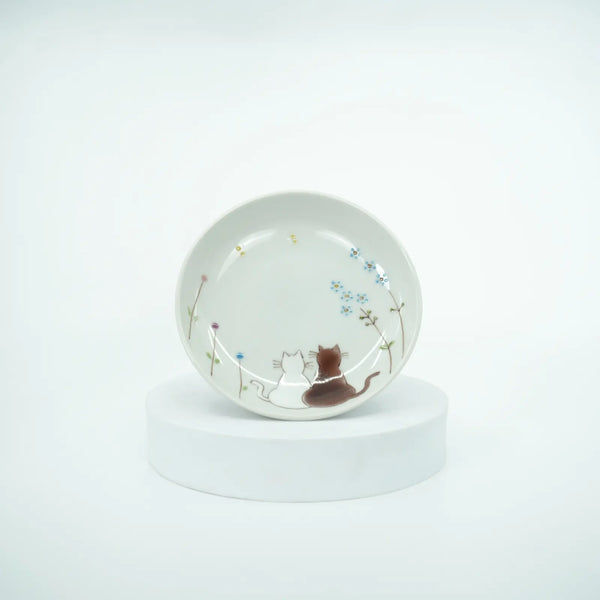
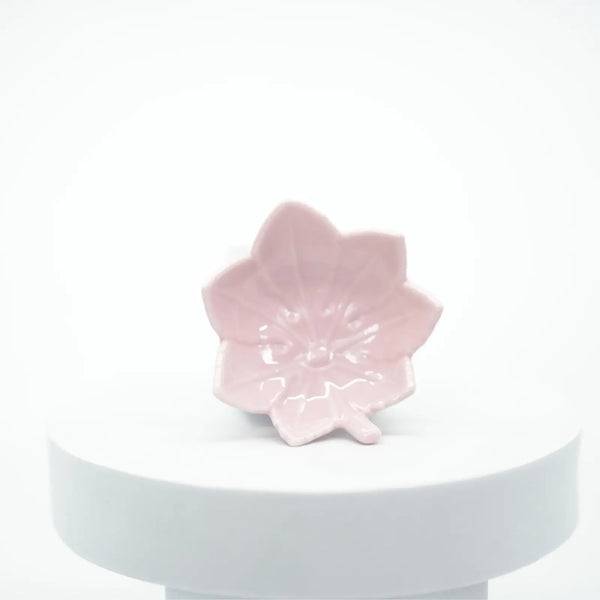
Small side dishes, such as pickles, a vegetable dish or simmered beans, go at the back left. Little bowls and plates work well here. We used a peach-shaped dish from the Minoware Side Dish Bowl Collection, which measures 9 × 7.5 × 4 cm. The Atelier Yu Cats in a Sunny Spot Kutani Small Plate, at 14 cm, is another option.
4. Chopsticks and Chopstick Rest: Across the Front
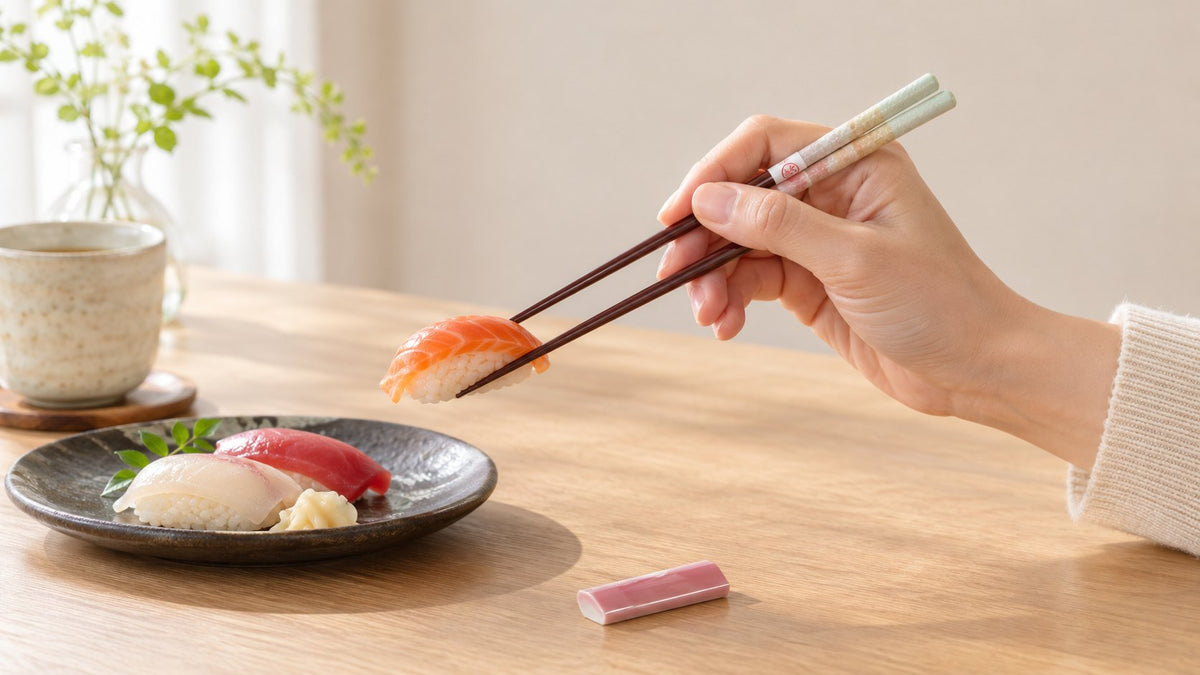
Chopsticks lie horizontally at the very front of the setting, closest to you, with the tips pointing left. The tips rest on a chopstick rest, so they don't touch the table. Our chopstick rests include designs like the Kutani Ware Bird Chopstick Rest, and sets like the Arigatou Chopstick and Rest Gift Set come with rests included. New to chopsticks? See How to Use Chopsticks.
Tips for a Japanese Table at Home
Mix, don't match. Japanese tables often combine different shapes, colours and patterns. Varying round and shaped dishes makes the table feel seasonal.
Leave space. Food is portioned modestly, with some empty space on each plate.
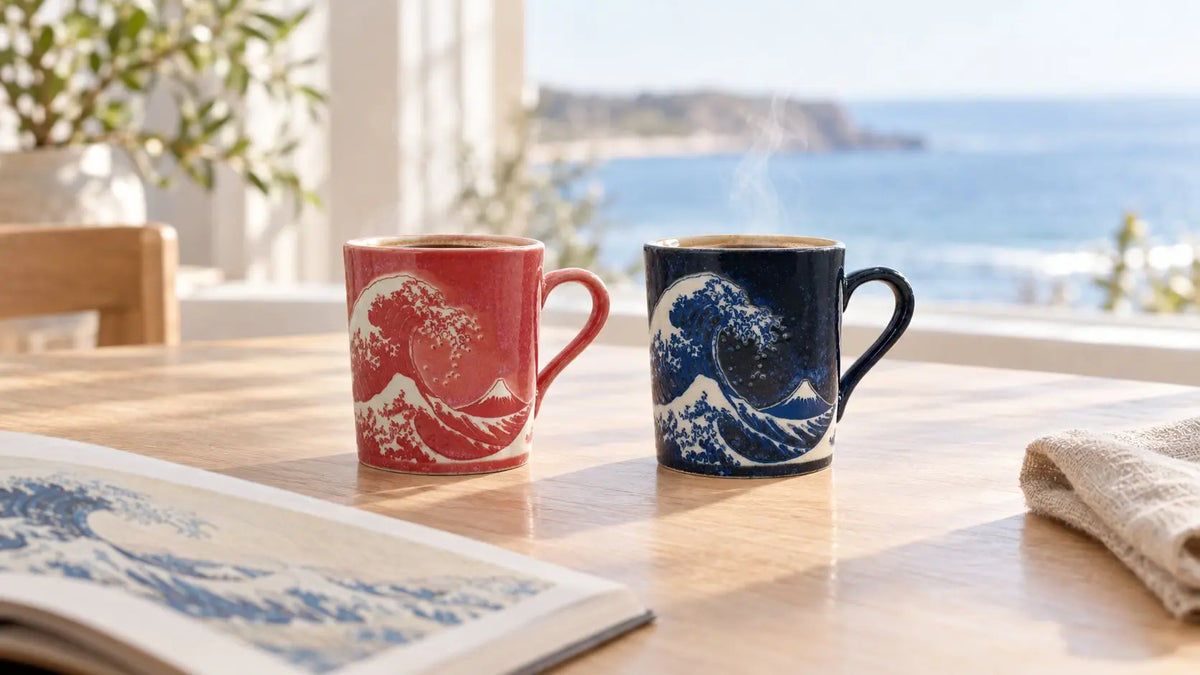
Think about the season. Cherry blossom designs suit spring, wave patterns feel cool in summer and warm-toned glazes suit autumn and winter.
Plates for a Japanese Table
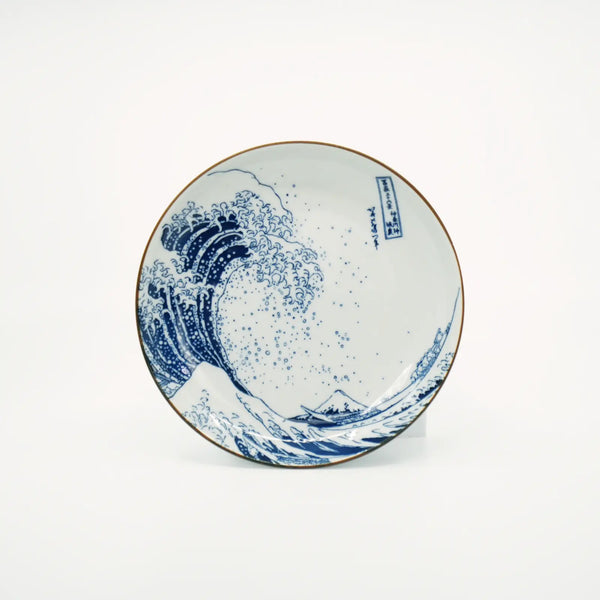
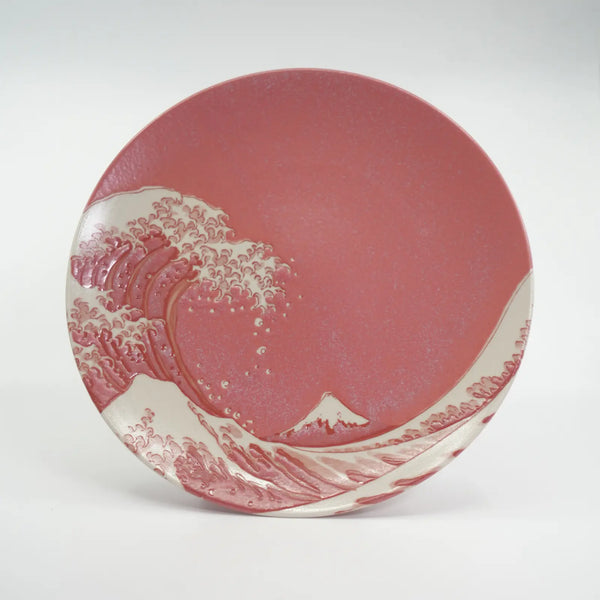
Ready to set your table? Browse the Japanese plates we stock, delivered across Australia.
Shop Japanese platesPart of our Guides to Japanese Ceramics
Frequently Asked Questions
The rice bowl goes at the front left, closest to the diner, with the soup bowl at the front right.
Chopsticks lie horizontally at the front of the setting with the tips pointing left, resting on a chopstick rest.
Ichiju sansai means "one soup, three dishes". It's the traditional structure of a Japanese home meal: rice, soup, a main dish and two side dishes.
It's not essential, but a chopstick rest keeps the tips off the table and is considered good manners in Japan. It also finishes a place setting nicely.