

What Is Mino Ware? A Guide to Japan's Everyday Ceramics

What Is Mino Ware? A Guide to Japan's Everyday Ceramics
A mug feels different when you know where it comes from. Mino ware (美濃焼, Mino-yaki) is the collective name for ceramics made around Tajimi, Toki, Mizunami and Kani in Gifu Prefecture, with a pottery history reaching back to the seventh century.
Its appeal is not a single colour or finish: the tradition includes creamy white tea bowls, copper-green glazes, blue-and-white porcelain and contemporary patterned tableware. This guide explores that regional story, what to notice in a piece and how to choose one for your own daily rituals.

Gifu Prefecture, Japan
Where Does Mino Ware Come From?
Mino ware comes from the Tōnō area of eastern Gifu Prefecture in central Japan, including the cities of Tajimi, Toki, Mizunami and Kani. The teal area on the map shows Gifu Prefecture, not the location of an individual maker.
The region supports a network of ceramic artists, clay suppliers, kiln and machinery makers, and distributors. That helps explain why two genuine Mino pieces can look completely different: they share a regional tradition rather than one compulsory design.
The History of Mino Ware
The region’s kiln history reaches back to Sue ware production in the seventh century, long before the mugs and rice bowls we use today. Its celebrated tea wares developed much later, with several distinctive styles flourishing in the late sixteenth and early seventeenth centuries.
Think of Mino ware as a living regional tradition, not a label that means every piece is ancient or made by an identical process. When choosing a modern piece, its maker, material, finish and care instructions are more useful than age alone.
Mino Ware and the Tea Ceremony
During the Momoyama period, the tea ceremony helped inspire new Mino tea bowls, water jars and small food dishes. Potters explored painted surfaces, moulded forms and deliberately altered shapes, making their ceramics expressive objects within the tea gathering.
This is useful context when you notice an uneven rim or a flowing glaze on a tea bowl. The right question is whether it matches the maker’s intended finish, not whether every surface looks factory-uniform; a chip, leak or structural crack is a different matter and should be checked before use.
The Classic Mino Styles
Four names are especially helpful when exploring historic Mino tea wares. They describe styles within the wider tradition, not four separate regions.
- Shino: a thick, creamy white feldspar glaze, often combined with simple iron-brown painting. Look for the relationship between a soft white surface and the darker design beneath it.
- Oribe: a style named after tea master Furuta Oribe, often associated with copper-green glaze, lively patterns and unconventional forms. Not every Oribe piece is predominantly green: red and black variations also exist.
- Ki-Seto, also written Kiseto: a yellow-toned ash-glazed style, sometimes accented with green or brown. Notice how restrained colour can still create a distinctive surface.
- Seto-guro, also written Setoguro: a deep black style whose colour comes from iron glaze and rapid cooling after firing. Its dark surface creates a striking setting for green matcha.
A contemporary cat mug or printed plate does not need to imitate these tea wares to belong to Mino’s much broader ceramic tradition. Use the names as a way into the history, not as a checklist every modern product must satisfy.
What Makes Mino Ware Special?
Made for Everyday Life
Mino ware includes blue-and-white and overglaze-decorated porcelain as well as stoneware traditions, and the region has used both hand-painted and transfer decoration. “Mino ware” therefore does not automatically mean hand-thrown, hand-painted or one particular clay body.
For everyday use, choose the piece that suits the job: a comfortable handle for your morning mug, enough depth for a rice bowl, or a stable shape for whisking matcha. Check the product’s own material and care notes rather than assuming every Mino piece has the same durability or appliance rating.
A Huge Variety of Glazes and Designs
Beyond the four famous tea ware styles, Mino’s repertoire includes iron and ash glazes, celadon, slip decoration, blue-and-white porcelain and overglaze enamels. That variety makes it a rewarding region to explore by texture, colour and use.
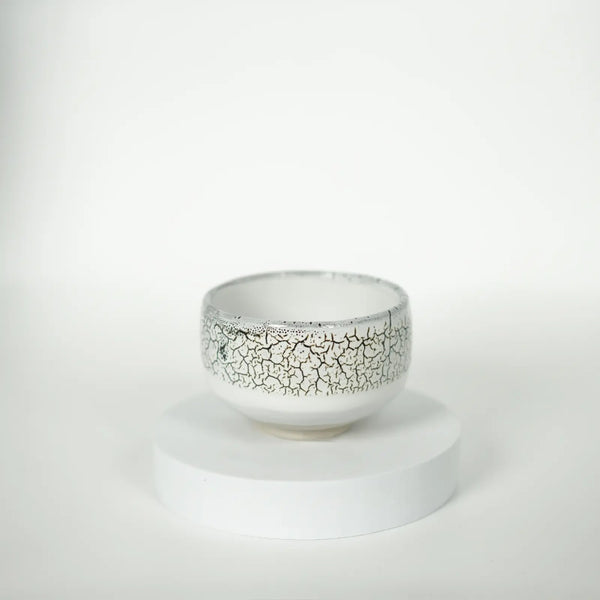
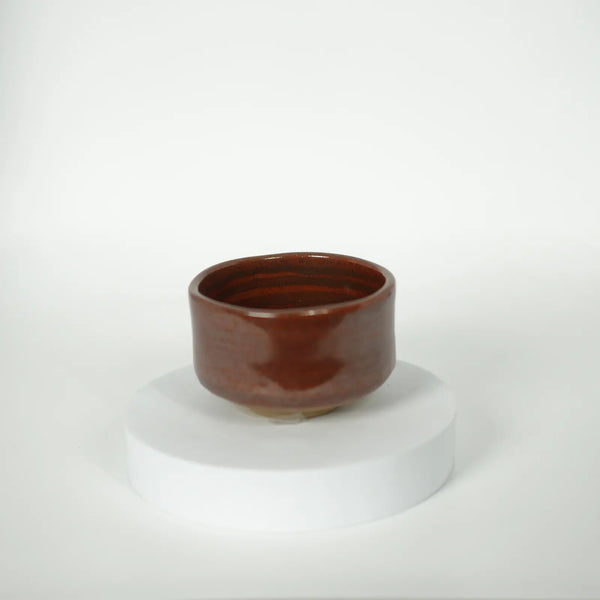
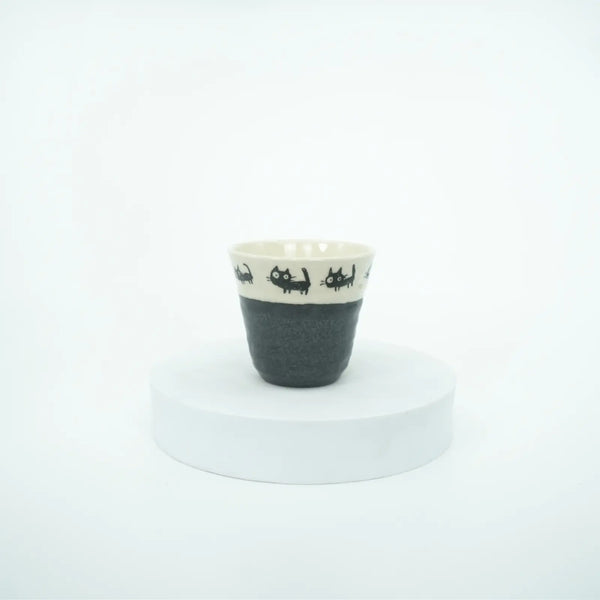
Our Kairagi White Tenmoku Matcha Bowl is one place to begin looking at a textured surface. For a more graphic everyday choice, compare it with our Japanese Cat Mug and decide which finish you would most enjoy reaching for.
Mino Ware and Kutani Ware: What Is the Difference?
The clearest difference is regional identity and decorative tradition, not “everyday versus special occasion”. Mino ware comes from Gifu and spans many ceramic bodies and finishes; Kutani ware is associated with Ishikawa and its rich overglaze painting.
Both can be enjoyed in daily life or chosen as gifts. Compare the specific material, size, decoration and care requirements rather than treating either name as a quality ranking; our Kutani ware guide explores the other tradition in more detail.
How to Choose Mino Ware with Confidence
For a new piece, start with the information provided by the maker or retailer. A regional name should be backed by a clear origin description, not inferred only from a Japanese-looking pattern.
- Check the origin: look for the stated country of manufacture and any named kiln, maker or regional information.
- Check the description: distinguish porcelain from stoneware, and hand-painted decoration from a printed or transfer design when those details are supplied.
- Check the finish: compare the photographs and any notes about natural variation, texture or crackle effects.
- Ask when unsure: a maker’s mark can be useful, but do not treat an unfamiliar symbol as proof of origin or age.
You do not need specialist knowledge to enjoy a modern mug. The aim is simply to know what you are buying and to be able to share that story if it is a gift.
Mino Ware for Your Home
Mino Ware Mugs
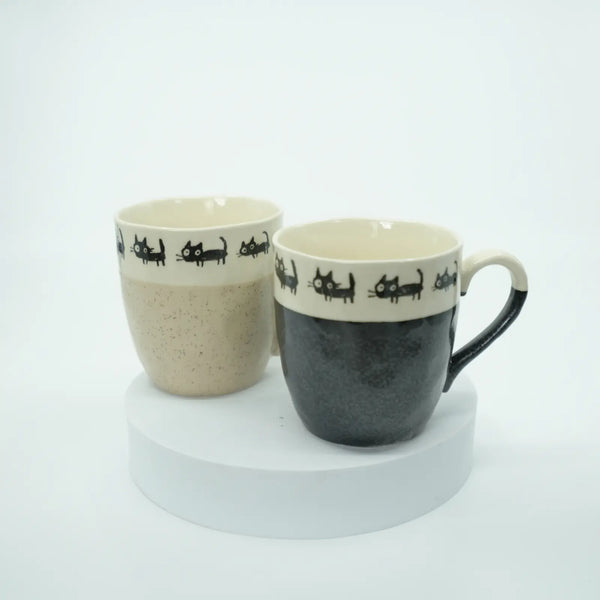
Start with a mug you can picture using every morning. Compare the Japanese Cat Mug with the Kuro Neko Cat Cup, then check the capacity, dimensions and handle shape in each listing.
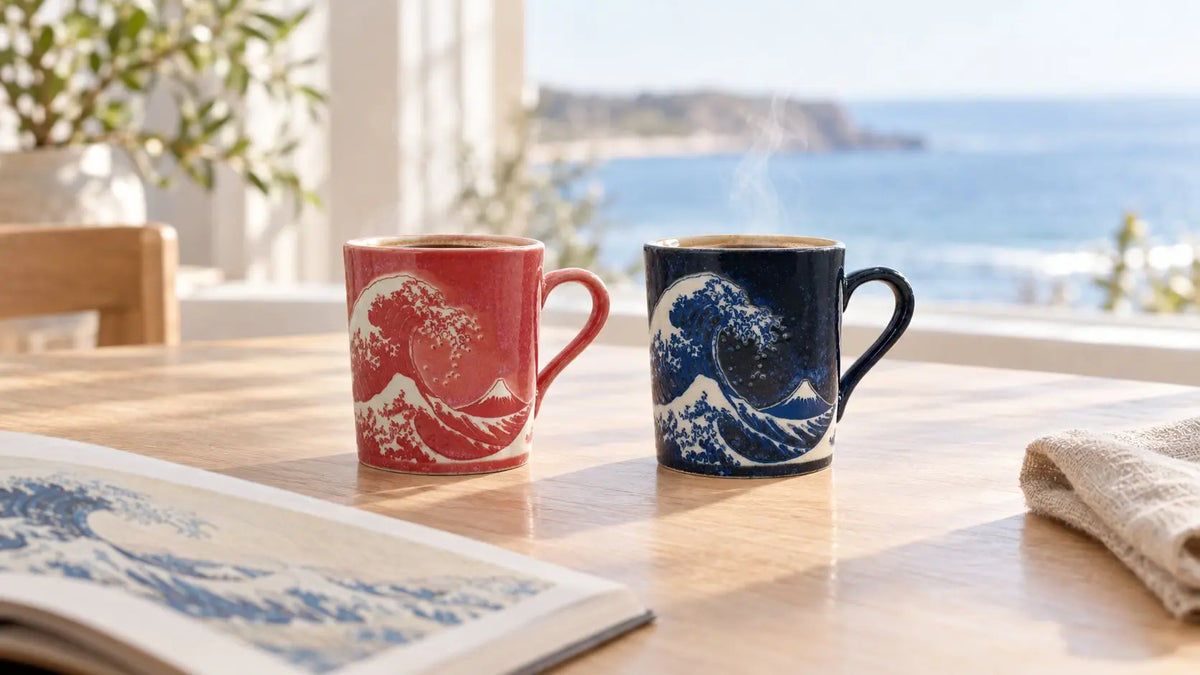
For a different visual direction, explore the Lucky Cat Daruma Mug Cup or Kanagawa Great Wave Mug. Choose the design that feels personal rather than treating a regional name as a promise that every mug will feel the same.
Mino Ware Bowls
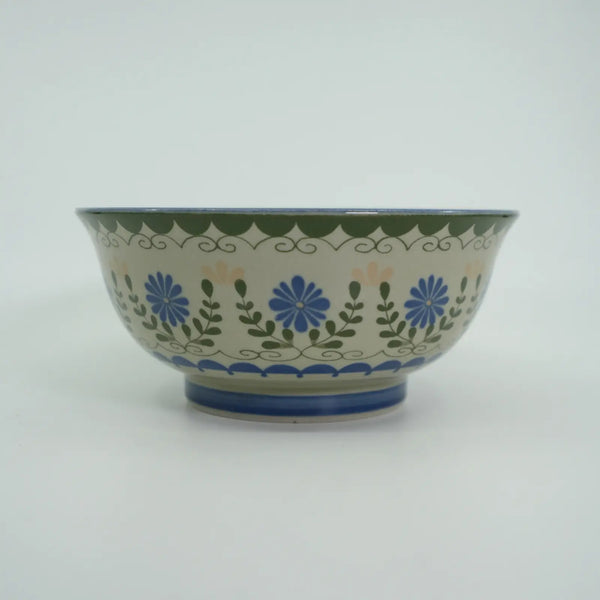
From rice to ramen, Mino ware bowls are made for real meals. The Mino Ware Secret Garden Ramen Bowl is generously sized for noodle nights, the Mino Ware Donburi Cherry Blossom Set is perfect for rice bowls, and the Kanagawa Great Wave Rice Bowl is an easy, affordable place to start.
Mino Ware Dinnerware and Sushi Sets
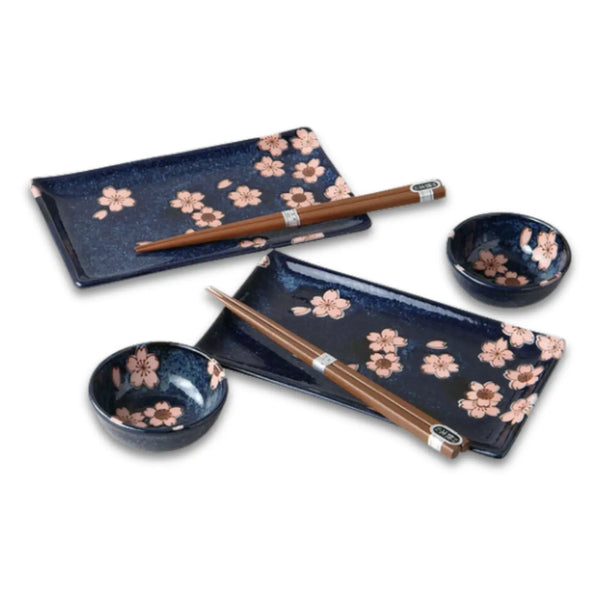
For entertaining, the Mino Ware Sakura Sushi Set brings cherry blossoms to the table, and the Kanagawa Great Wave 10-Inch Plate doubles as a serving plate and a piece of art.
Mino Ware Sake Sets and Matcha Bowls
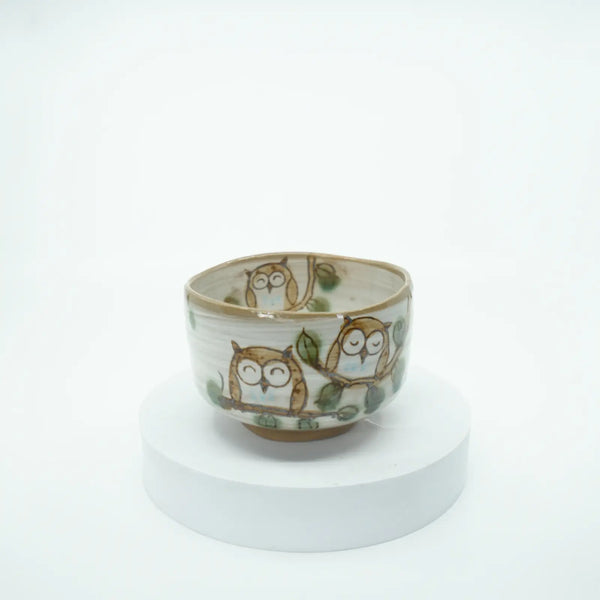
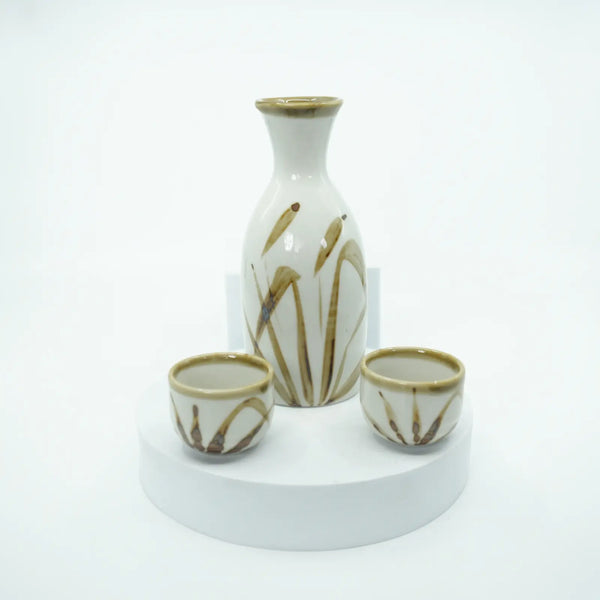
Mino potters also make beautiful tea and sake ware, from the Mino Ware Gold Susuki Sake Set to the Mino Ware Japanese Owl Matcha Bowl. See our guides on choosing a sake set and choosing a matcha bowl.
Mino Ware Gift Sets
For a gift, explore the Owl Rice Bowl & Chopsticks Gift Set or Lucky Cat Daruma Mug Gift Set. Check the individual listing for what is included and any packaging details.
You could add a handwritten note explaining that Mino ware belongs to Gifu’s long ceramic tradition, along with the care instructions for the actual piece. Browse our Mino ware collection to find a form and pattern that suit the recipient.
How to Care for Mino Ware
Begin with the instructions for the exact piece, not a rule for all Mino ware. If a product page does not confirm dishwasher or microwave use, ask before using either appliance.
- Wash gently: when in doubt, choose mild detergent and a soft sponge, then rinse and dry well.
- Respect the finish: avoid abrasive pads on painted, textured or delicate surfaces.
- Keep metallic decoration out of the microwave: gold or silver details require extra care; the same precaution applies to decorated Kutani pieces.
- Check before first use: follow any maker-specific preparation instructions rather than assuming all ceramics need soaking or rice-water treatment.
- Protect the piece: avoid sudden temperature changes, and stop using a leaking, chipped or structurally cracked vessel for food or drink until assessed.
For a gift, pass on the product’s care notes along with its regional story. That makes the extra context useful long after the wrapping is removed.
Ready to choose? Browse Mino ware mugs, bowls, matcha bowls, sake sets and dinnerware, delivered across Australia.
Shop the Mino ware collectionPart of our Guides to Japanese Ceramics
Frequently Asked Questions
Mino ware, or Mino-yaki (美濃焼), is the collective name for ceramics from the Tōnō area of Gifu Prefecture, including Tajimi, Toki, Mizunami and Kani. It includes a wide range of styles rather than one single look.
No single making method defines the whole region: Mino production includes individual ceramicists and a wider ceramic industry, with both hand-painted and transfer-decorated pieces. Read the description for the exact item if hand-thrown or hand-painted production matters to you.
Mino ware is associated with Gifu and a broad range of ceramic styles; Kutani ware is associated with Ishikawa and colourful overglaze decoration. Either can be chosen for daily use or gifting.
Check the care instructions for the individual item. Do not assume that a regional name, a smooth glaze or a modern design guarantees appliance suitability.
You could write: “This piece is Mino ware from Gifu Prefecture, part of a ceramic tradition with roots in the seventh century”. Add the maker’s details and care instructions for the piece you have selected.