

Japanese Rabbit Mugs & Tableware
Japanese Rabbit Mugs & Tableware


Why rabbits appear on Japanese ceramics
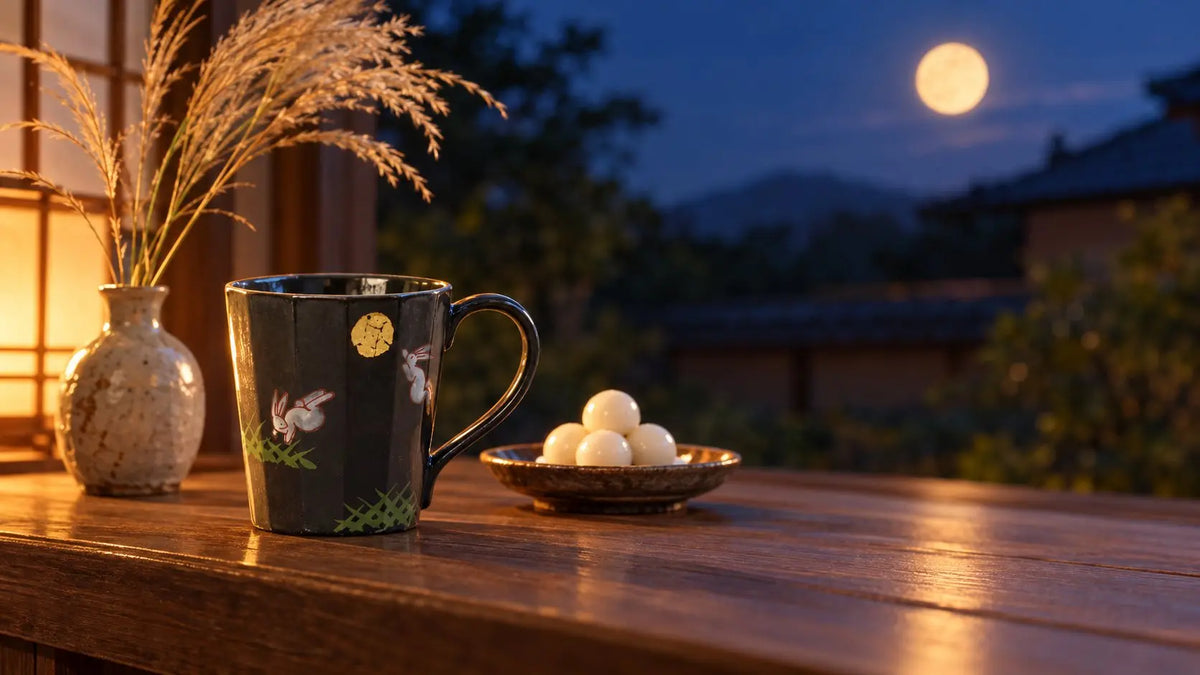
The rabbit is one of the most enduring motifs in Japanese pottery — a symbol of good fortune, gentleness and new beginnings, and a fixture of moon-viewing imagery for centuries. Our rabbit range brings that tradition to Australian tables, from hand-painted Kutani mugs to Mino ware sets built for everyday use.
Every piece is sourced directly from Japanese kilns. Kutani ware, from Ishikawa Prefecture, is known for bold overglaze painting and fine detail — you can see individual brushstrokes in the rabbit motif. Mino ware, from Gifu Prefecture, is the workhorse of Japanese ceramics: durable, well-glazed and comfortable in the hand.
Jumping Rabbit
Forward momentum and good luck. The most common rabbit form in Kutani painting, and the design behind most of our mugs and teacups.
Rabbit & Moon
From the folk tale of the rabbit pounding mochi on the moon. Tied to the autumn tsukimi moon-viewing festival.
Leaping & Hopping
Lighter, more playful readings of the same symbol — usually found on smaller yunomi cups and single teacups.
Frequently Asked Questions
Yes. Every piece is imported directly from Japanese kilns and suppliers, not reproduced elsewhere.
Good fortune, gentleness, fertility and new beginnings. It's one of the twelve zodiac animals and is closely associated with the moon.
The pair mug sets and rice bowl gift sets — both arrive presentation-boxed, which makes them popular for weddings and housewarmings. Especially fitting for anyone born in a Year of the Rabbit.
On Kutani pieces, yes. Small variations between individual items are normal and are a mark of the technique.
Hand wash hand-painted Kutani pieces to protect the overglaze. Mino ware is generally dishwasher and microwave safe — check the individual product page.