


A Beginner's Guide to Sake Sets: Tokkuri, Ochoko and How to Serve Sake

A Beginner's Guide to Sake Sets: Tokkuri, Ochoko and How to Serve Sake
Sake has a reputation for being complicated: warm or cold? Which cups? Who pours for whom? The good news is that it's much simpler than it looks, and the right sake set makes the whole experience feel special. Whether you're buying your first Japanese sake set or looking for a gift for a sake lover, here's everything you need to know.
Step 1: Know What's in a Sake Set
The Tokkuri
The tokkuri is the flask or carafe that holds the sake. It's usually ceramic, with a narrow neck that keeps sake at the right temperature and makes it easy to pour small amounts.
The Ochoko and Guinomi
The ochoko is a small sake cup, often holding just a mouthful or two. That's deliberate: in Japan, small cups mean you refill each other's cups often, which keeps conversation flowing. A slightly larger cup is called a guinomi.
The Masu
You may also see a masu, a small square wooden box traditionally used to measure rice and sometimes used for serving sake at celebrations.
Step 2: Decide How You'll Serve Your Sake
Warm Sake
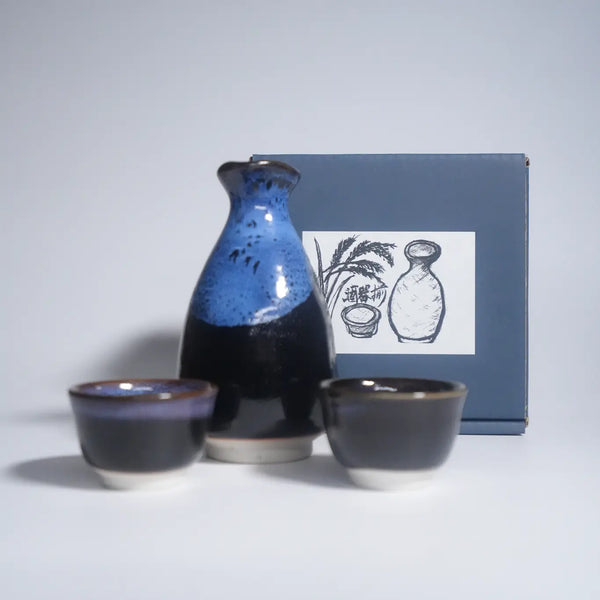
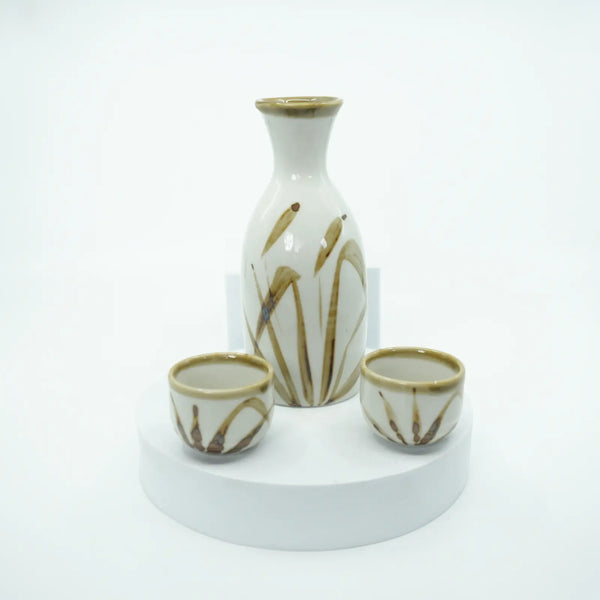
Warm sake, or kanzake, is gently heated and perfect for cooler evenings. Ceramic sets are ideal for warm sake because they hold heat well. The Mino Ware Deep Ocean Pottery Sake Set and Mino Ware Gold Susuki Sake Set are both beautiful everyday choices.
Chilled Sake
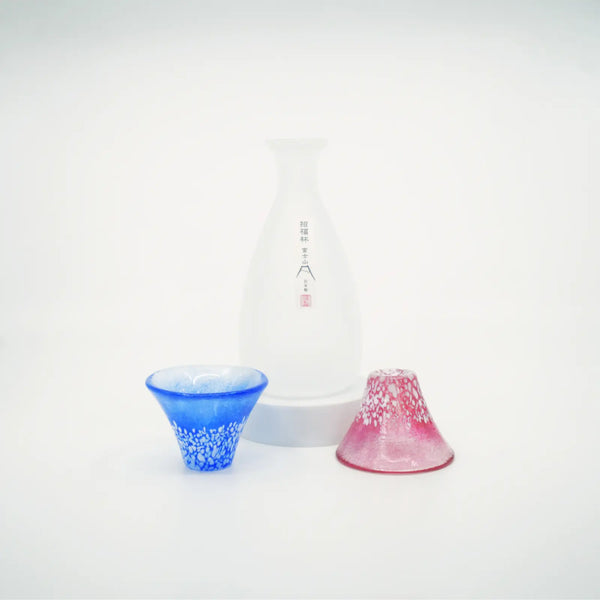
Many premium sakes are best served chilled, which brings out their fresh, fragrant flavours, and it's ideal for Australian summers. A glass cold sake set shows off the clarity of the sake, and the Mt Fuji Cold Sake Set is a stunning example.
Step 3: Choose a Sake Set With Character
A sake set is often the centrepiece of the table, so it's worth choosing one with personality.
Lucky Symbol Sake Sets
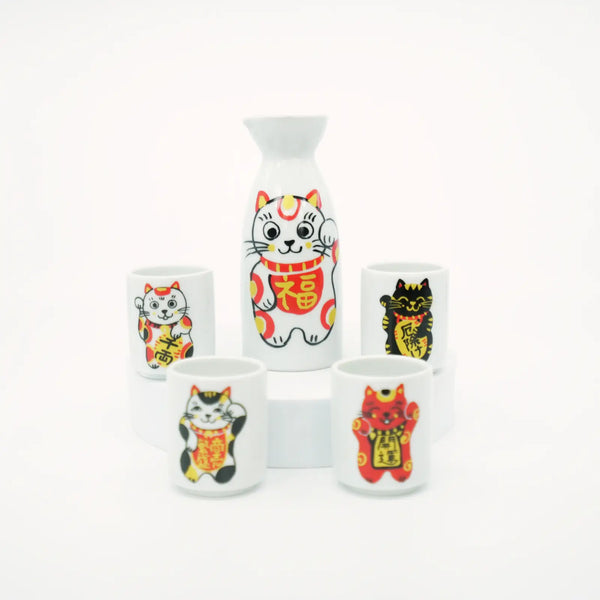
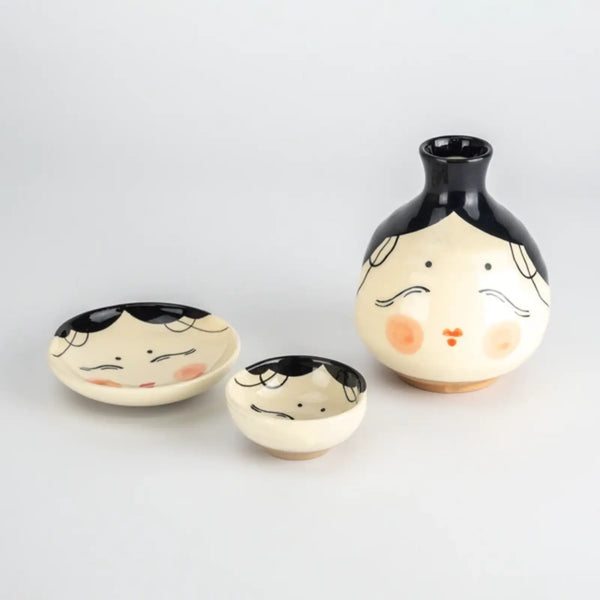
Japanese good-luck symbols make a sake set extra meaningful as a gift. The Maneki Neko Lucky Cat Sake Set features Japan's famous beckoning cat, and the Otafuku Lucky Goddess Sake Set celebrates Otafuku, a cheerful symbol of happiness and good fortune.
Playful Sake Sets
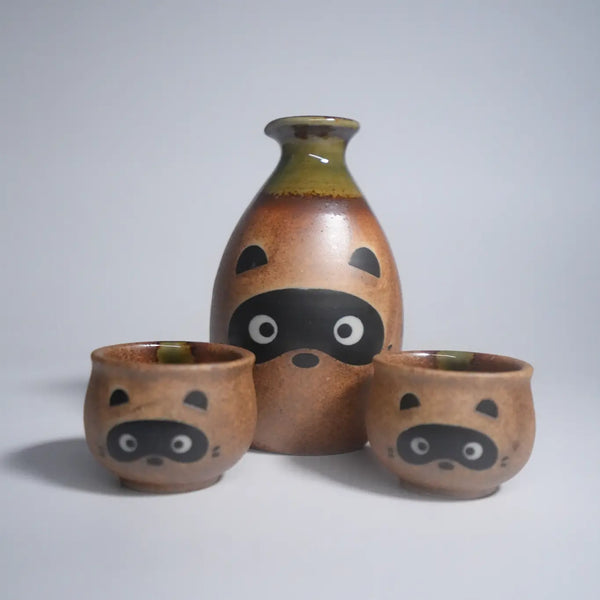
For something fun, the Mino Ware Raccoon Pottery Sake Set is always a talking point at dinner parties.
Hand-Decorated Kutani Sake Sets
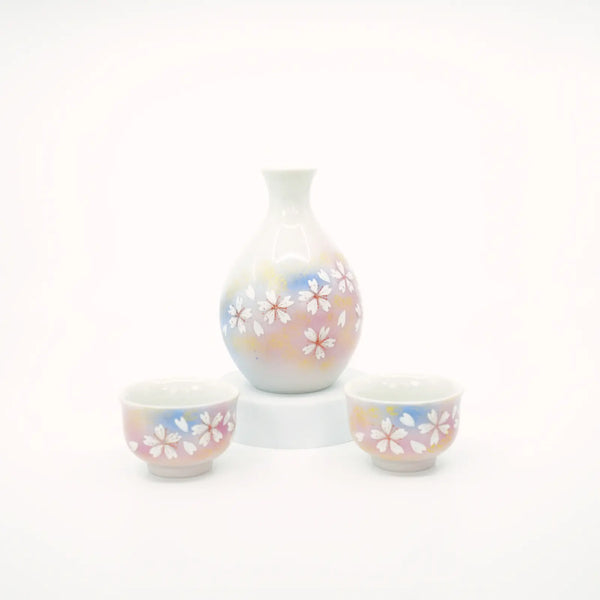
For a special occasion, the Kutani Ware Cherry Blossom Sake Set celebrates Japanese spring in fine Kutani porcelain. Learn more about this tradition in our Kutani ware guide.
A Note on Sake Etiquette
Japanese sake etiquette is warm and sociable rather than strict. The golden rule is simple: you pour for others, and they pour for you, never for yourself. When someone pours for you, lift your cup slightly towards them to receive it. Holding the tokkuri with both hands when you pour is a nice sign of respect, especially for someone older or a guest of honour. Before the first sip, everyone raises their cups together and says kanpai!, which means cheers. Follow those few steps and you'll feel right at home at any Japanese table.
Step 4: Build Your Set With Extra Sake Cups
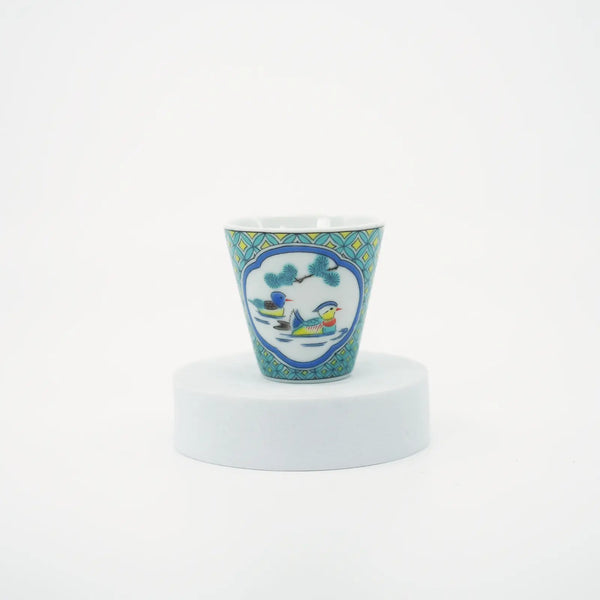
Hosting a bigger group? You can add individual sake cups to your set. The Kutani & Wakasa Sake Cup comes in several designs, combining Kutani ceramics with traditional Wakasa lacquer. It's also an affordable gift on its own.
Step 5: Give a Sake Set as a Gift
A sake cup set is one of the most popular Japanese gifts for Father's Day, birthdays and Christmas, especially for someone who loves hosting. It's practical, beautiful and brings people together around the table. For more gift ideas, see our Japanese Christmas Gift Guide 2026.
Explore our full range of Japanese sake sets, delivered across Australia.
Frequently Asked Questions
A Japanese sake set usually includes a tokkuri, the flask used to serve the sake, and two or more small cups called ochoko. Some sets also include a tray or a larger cup called a guinomi.
Both. Many everyday sakes are lovely warmed, especially in winter, while premium sakes are often best served chilled to bring out their delicate flavours. Ceramic sake sets suit warm sake, and glass sets are ideal for cold sake.
Sake cups are small so that drinkers refill each other's cups often, which is part of the social ritual of drinking sake in Japan.
Yes. A sake set is a thoughtful Japanese gift for anyone who enjoys entertaining, and it can also be used for whisky, spirits or even espresso.