


Japanese Homeware In Australia - Your Complete Guide To Authentic Ceramics

Japanese Homeware in Australia: Your Complete Guide to Authentic Ceramics
Australian homes are waking up to Japanese homeware. There's something about the simplicity, the craftsmanship, and the intentionality behind each piece that just works, whether you're sipping matcha from a handmade bowl or serving dinner on a minimalist plate. If you're shopping for Japanese ceramics in Australia, this guide will walk you through what makes Japanese homeware special, where to find it, and how to build a collection that actually gets used.
What Makes Japanese Homeware Different?
Japanese ceramics aren't mass-produced afterthoughts. They're made by generations of potters who've been perfecting their craft for centuries. Kutani ware from Ishikawa Prefecture, Mino ware from Gifu: each region has its own technique, its own signature. The pieces are intentional. A mug isn't just a mug; it's designed to sit in your hand in a certain way, to hold warmth, to be beautiful enough that you actually want to look at it every morning.
In Australia, finding authentic Japanese homeware used to mean hunting through specialty stores or ordering from overseas. Now, you've got access to the real thing without the wait. Authentic pieces from established potters, not knockoffs, are within reach. The difference shows the moment you hold one. The weight, the glaze, the balance: these aren't accidents. They're the result of skill and intention, and they're worth experiencing firsthand.
The Five Essential Categories Every Japanese Homeware Collection Needs
Building an intentional collection starts with understanding what each category offers. Here are the five pieces every Japanese homeware lover should own.
1. Japanese Mugs: The Daily Essential
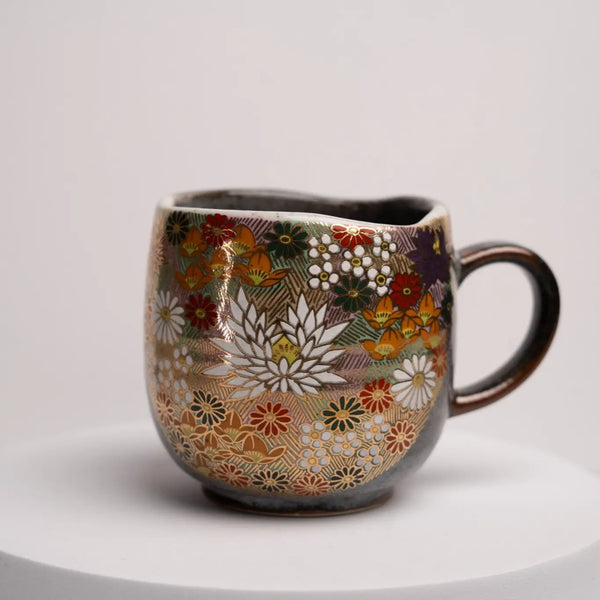
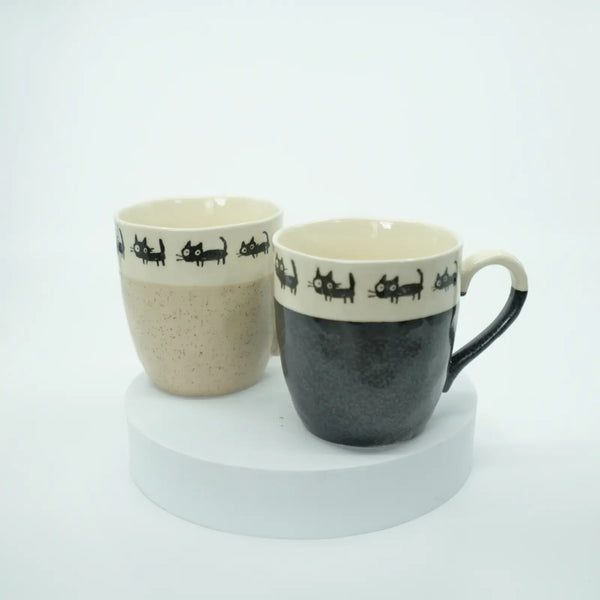
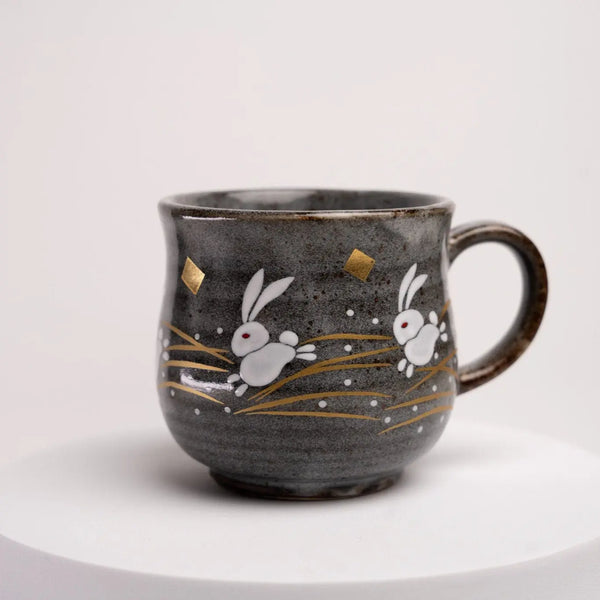
A good Japanese mug is like a good friend: reliable, comforting, always there. Japanese mugs from Kirei come in styles from minimalist Mino ware to richly decorated Kutani designs. The best ones have that perfect weight, a glaze that's smooth against your lips, and a handle that doesn't feel like an afterthought. Whether you're a coffee person or a tea devotee, there's a mug waiting for you, and designs from simple earth tones to hand-painted scenes make reaching for your mug a small pleasure rather than a necessity.
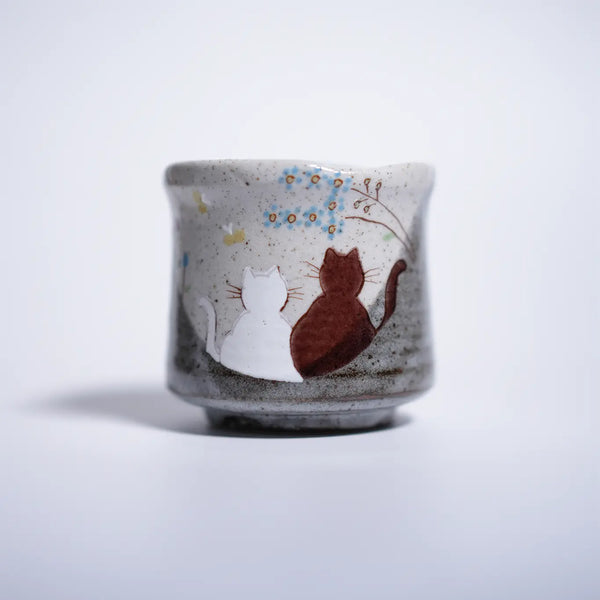
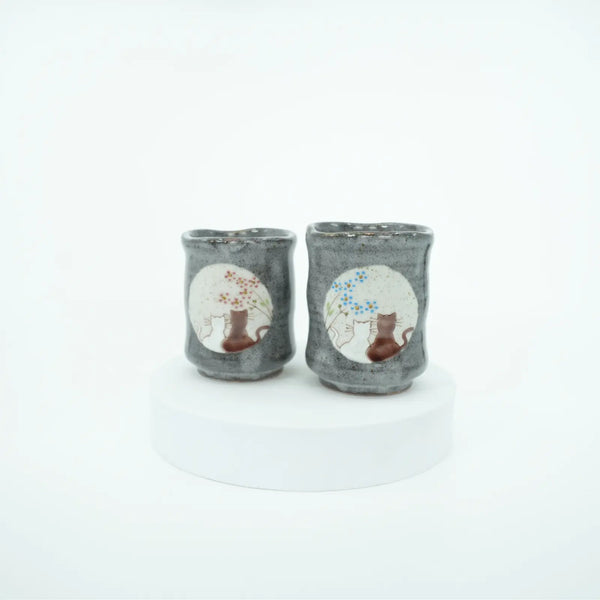
Atelier Yu's Cats in a Sunny Spot series is popular for good reason. It's playful without being kitschy, and the artwork actually makes you smile when you're halfway through your morning coffee. This is the category where most people start, because you use a mug every single day, and upgrading from a mass-produced cup to a handmade ceramic changes that daily ritual.

2. Drinkware Sets: Tea, Sake and Everything in Between
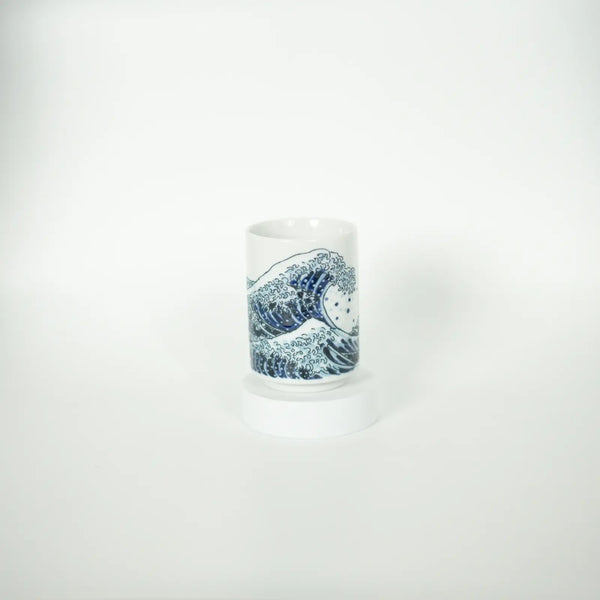
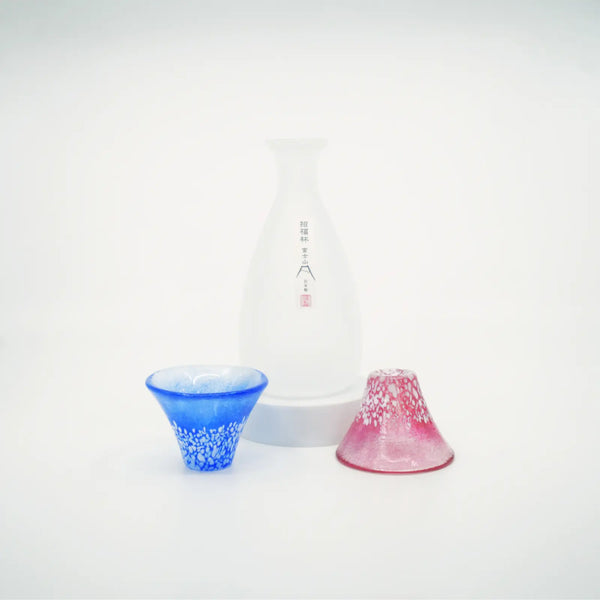
Japanese drinkware goes beyond mugs. This is where you find teapots that pour without dripping, sake sets for entertaining, and tea cups that are meant to be held with both hands. Drinkware collections include pieces designed for specific rituals, from matcha bowls for preparing tea to teacup pairs for sharing. Each piece serves a function, and each function has been refined over centuries.
In Australia's growing café culture, owning a proper Japanese teapot or sake set signals that you take your hospitality seriously. It's an investment piece that will last decades. This category is for people who understand that the ritual of tea matters as much as the tea itself.
3. Bowls: Ramen, Rice, Matcha and More
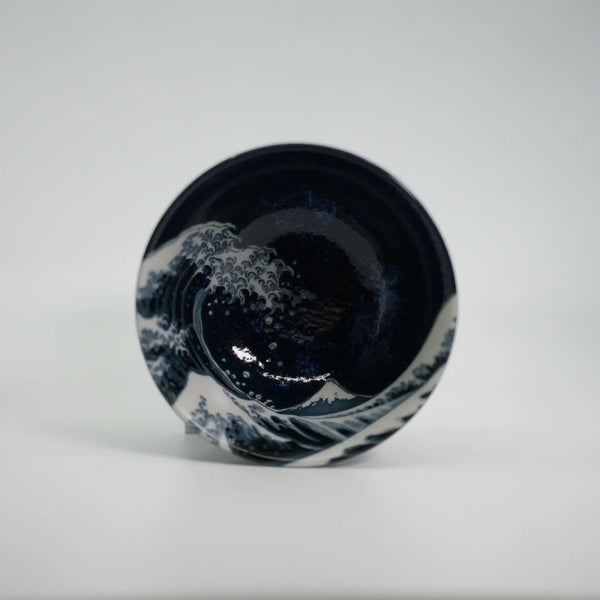
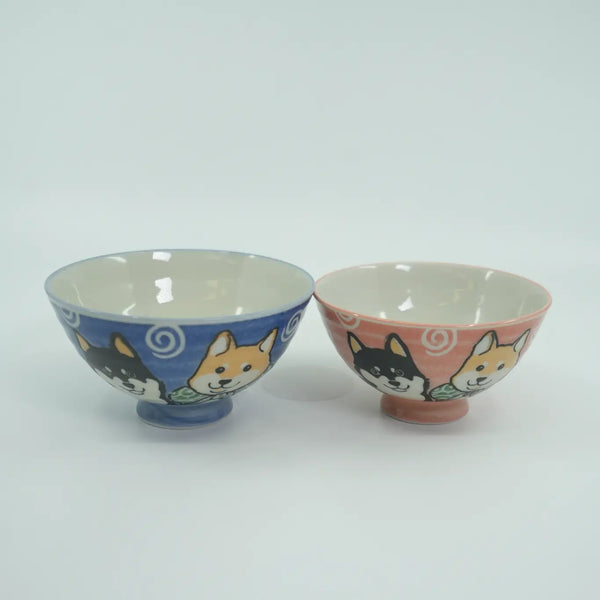
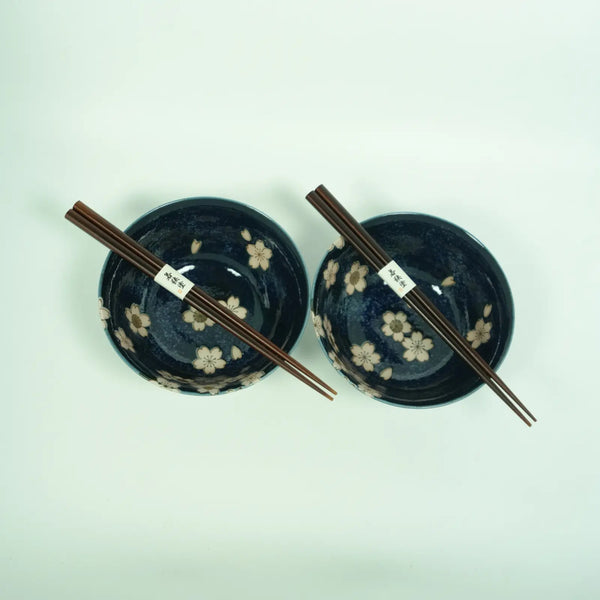
Japanese bowls are the workhorse of Japanese dining. Rice bowls, matcha bowls, ramen bowls: each shape serves a purpose. The depth, the curve, even the weight distribution is considered. A matcha bowl, for instance, is wide and flat at the base so it sits stable on the table while you whisk. A rice bowl fits perfectly in your palm and feels substantial without being heavy. These aren't aesthetic afterthoughts; they're ergonomic tools that happen to be beautiful.
Australians are embracing Japanese bowls for everything from Buddha bowls to everyday cereal. They're practical, they're beautiful, and they make your kitchen feel intentional. Ramen bowls are generously sized and designed to keep soup hot longer, while matcha bowls are shallow and wide, made specifically for the whisking motion.
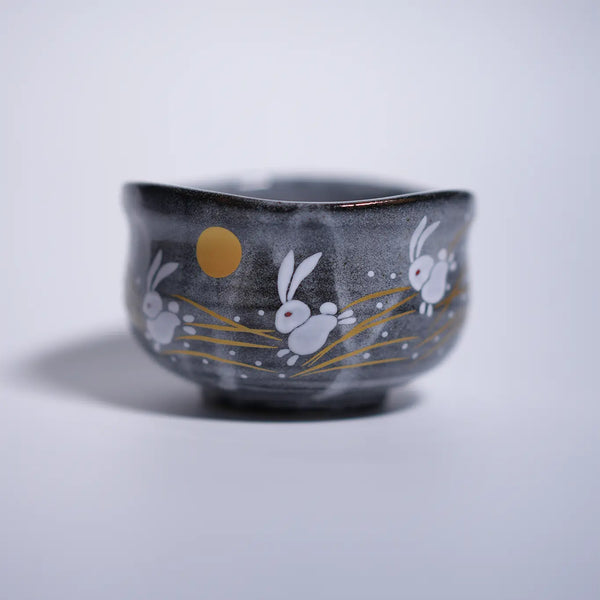
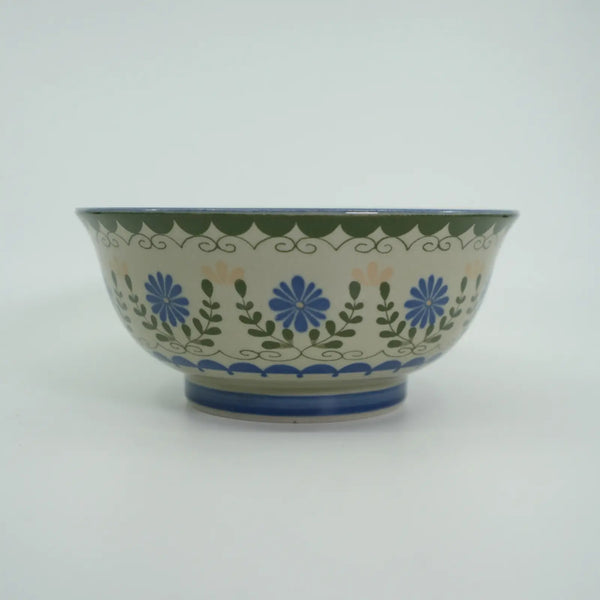
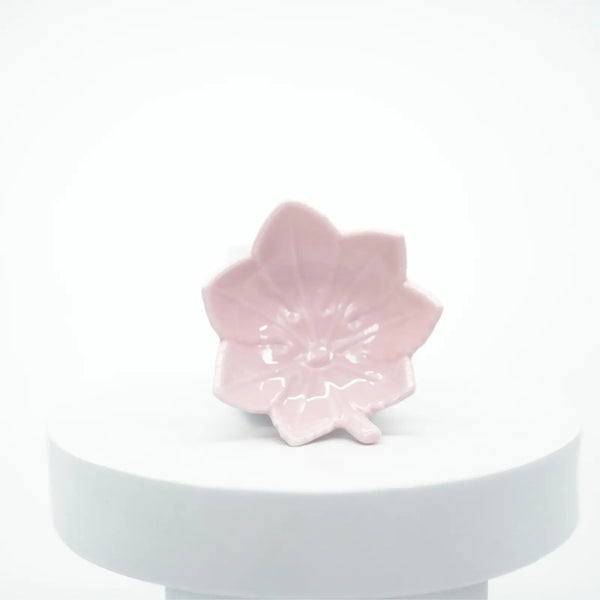
4. Gift Sets: Perfect for Every Occasion
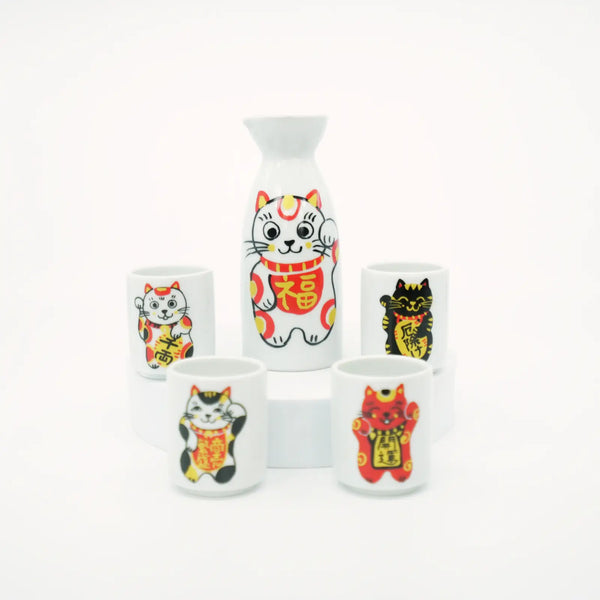
Not sure what to buy? Japanese gift sets take the guesswork out of gifting. Tea sets for your friend who's obsessed with matcha. Rice bowl pairs for newlyweds. Sake cup sets for the entertainer. These collections curate pieces that work together: they're thoughtful, beautifully presented, and ready to give without explanation required.
Gift sets are especially popular in Australia right now because they feel elevated without being pretentious. They say "I thought about this" in a way generic gifts don't. Newlyweds who receive a pair of rice bowls understand they're meant to eat together, and a friend who gets a matcha set knows you're acknowledging their love of ritual.
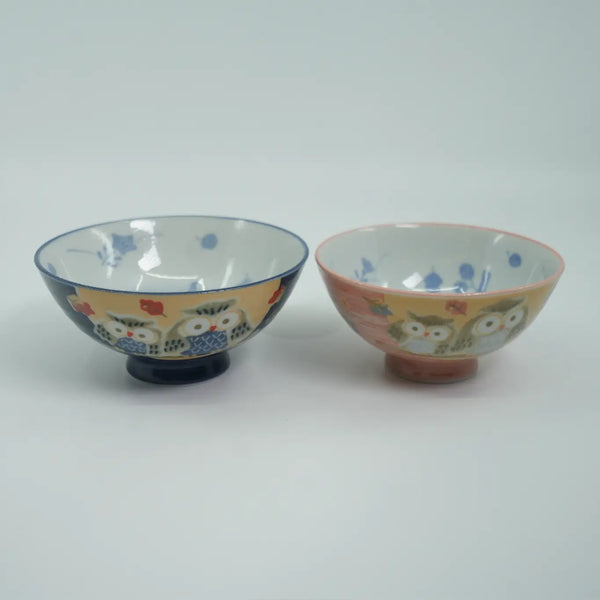
5. Teapots: The Ritual Piece
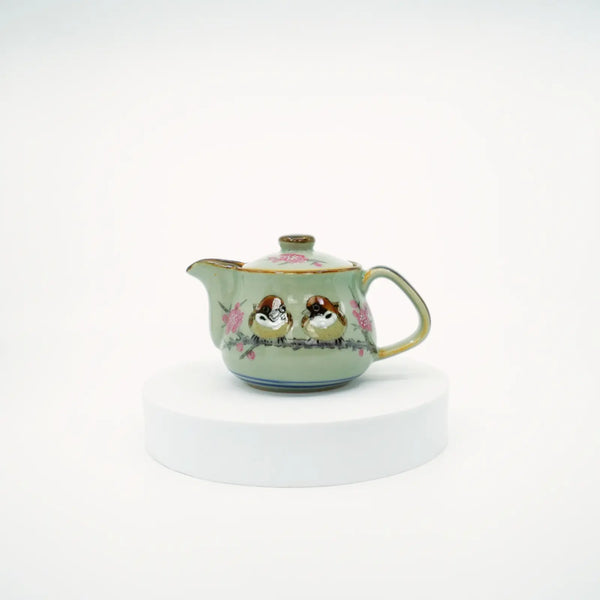
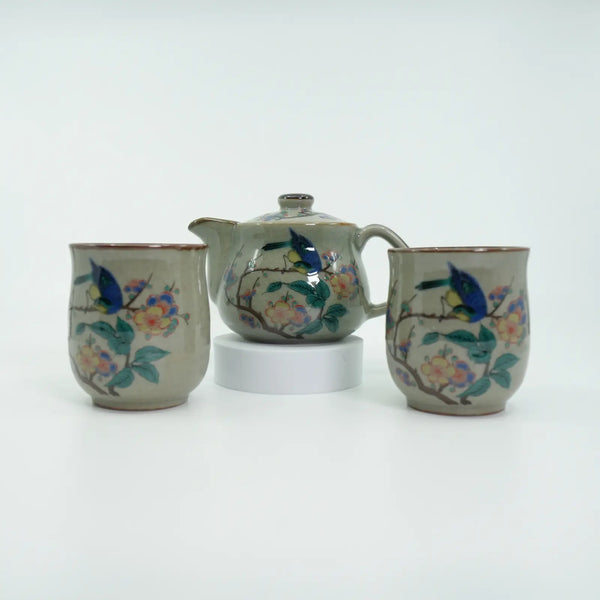
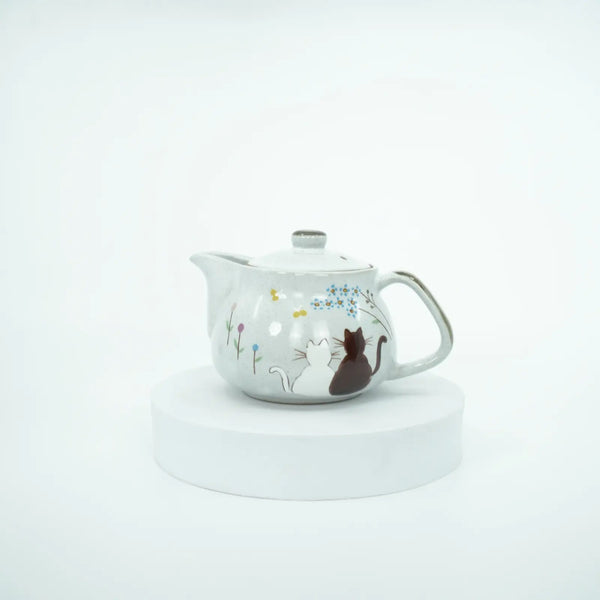
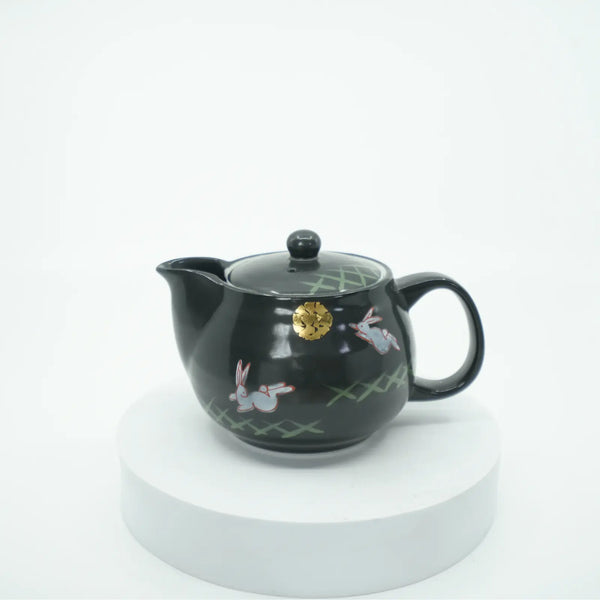
A Japanese teapot isn't just for brewing. It's a centrepiece. Kutani and Mino teapots are designed to be admired. They pour cleanly, they don't drip, and the spout is shaped so you can control the stream. The lid fits snugly enough to keep heat in. Every detail serves a purpose, and every purpose serves the ritual of tea.
If you're serious about tea, whether it's green tea, oolong or hojicha, a Japanese teapot changes the ritual. It makes the everyday ceremonial. The moment you lift that pot, the weight and balance tell your hand that something intentional is about to happen. This is the category for people who understand that how you prepare something matters as much as what you're preparing.
How to Shop for Japanese Homeware in Australia
Know your makers. Kutani ware is known for bold, detailed hand-painted designs: intricate patterns, rich colours, and each piece slightly different because it's painted by hand. Mino ware skews minimalist and practical: clean lines, subtle glazes, built to last. Start by picking a style that speaks to you, then build from there. If you love detail and colour, explore Kutani. If you prefer simplicity and function, Mino will resonate.
Think about function first. Will this piece be used daily or saved for special occasions? Japanese homeware is meant to be used, and leaving pieces in a cabinet defeats the purpose. Buy pieces you'll actually reach for. A mug you use daily is worth far more than a set of bowls you admire once a year.
Quality over quantity. One beautiful teapot you'll use for years beats five cheap mugs you'll cycle through and eventually donate. A $60 handmade mug used daily for a decade costs you about 2 cents per use. A $10 mass-produced mug that chips after a year costs more per use, and then you're replacing it.
Consider the story. Every piece from an established maker has a backstory: the kiln, the region, the technique passed down through generations. Knowing where your teapot was made makes using it richer, and connects you to a tradition that's centuries old.
Shipping and Care in Australia
Shipping is free on Australian orders over $100, which makes building a collection more affordable. Ceramics are fragile, so every order is packed carefully with protective padding. When your pieces arrive, unwrap them gently and take a moment to feel the weight and see the glaze in natural light.
Hand wash gently. Dishwasher-safe doesn't mean dishwasher-recommended for handmade ceramics: over time the dishwasher can dull the glaze and fade hand-painted designs. A minute of gentle hand washing is a small price for preserving something made to last. Dry with a soft cloth to prevent water spots.
Japanese makers expect their work to age. A little patina on the glaze or a darkened rim where tea has stained it isn't damage, it's character. This is celebrated in Japanese aesthetics as wabi-sabi: beauty in imperfection and impermanence. Let your favourite pieces tell their story.
Build Your Collection Thoughtfully
Japanese homeware isn't about having everything. It's about having the right pieces, used well and appreciated daily. Start with a Japanese mug you'll use every morning. Add a teapot when you're ready to upgrade your tea ritual. Explore bowls for gifting or for rounding out your everyday dishes. Let your collection grow guided by what you actually use, not by what looks impressive on a shelf.
Explore Japanese mugs, drinkware, bowls, gift sets and teapots to find your first piece. Free shipping on Australian orders over $100.
Frequently Asked Questions
Kutani is decorative and bold, with hand-painted designs and rich colours. A Kutani piece is a statement. Mino is understated and practical, with clean lines and subtle glazes, built for daily use. Think Kutani for special occasions and tea with guests, and Mino for the mug you reach for every morning. Many collectors own both.
Many are, but check each product page. Handmade and hand-painted ceramics last longest with gentle hand washing, as high heat and harsh detergent can dull the glaze and fade designs over time.
Buy from sellers who name the maker or production region, such as Kutani ware from Ishikawa or Mino ware from Gifu. If someone's selling "Japanese-style ceramics" at throwaway prices with no provenance, it's probably not authentic.
A mug or a small bowl. You'll use it daily, learn how the glaze feels and why the shape matters, and naturally want to build from there with a matching bowl or a teapot.
Because much of it is made in small batches by skilled makers, with careful glazing and hand-decoration, rather than produced by the thousands in a factory. You're paying for time, skill and a piece that's made to last for years.